
Shaping the Town of Apple Valley’s Visual Communications
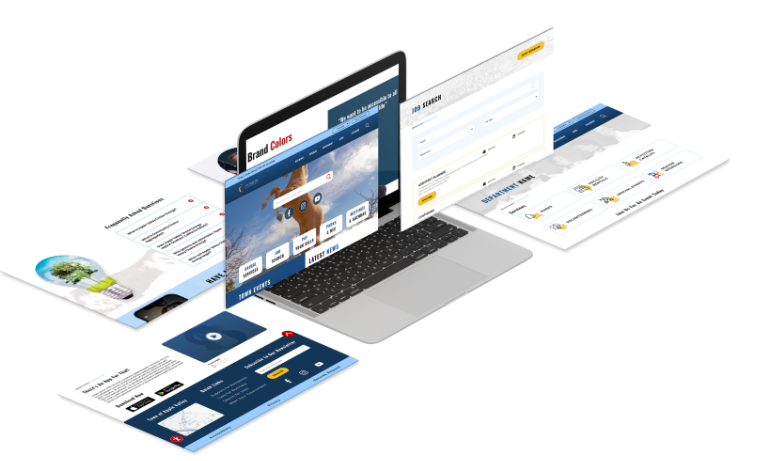
My work with the Town of Apple Valley included public-facing design across websites, publications, campaigns, presentations, and accessibility-focused communications. Instead of treating each piece as a one-off request, I worked to create clearer, more consistent materials that helped residents find information, understand services, and recognize Town communications across digital and print channels.
My Role:
Graphic and Web Designer
Responsibilities:
Visual Design • Website Layouts • Publications • Campaign Graphics • Presentations • Accessibility Support • Content Organization
Deliverables:
- Website user interface layouts
- Page templates and visual system
- Publication and editorial design
- Campaign and event graphics
- Presentation and training materials
- Accessibility-focused document and content support
75,000+
Residents served through public-facing communications
Web + Print
Designed across website layouts, publications, campaigns, signage, and presentations
Accessibility
Supported clearer, more structured digital and document communication
Civic Systems
Turned complex department and service information into easier public materials
Out with the Old
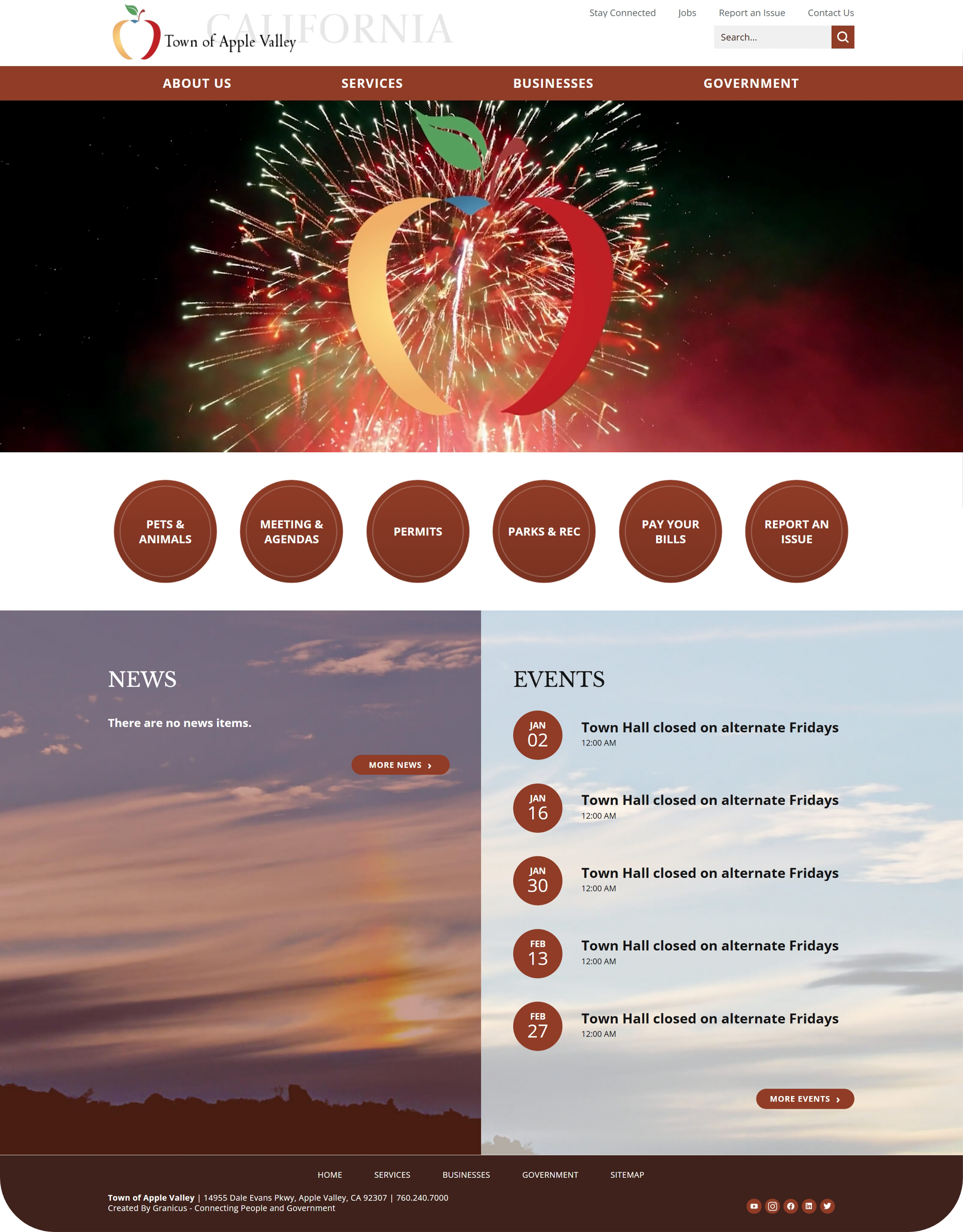
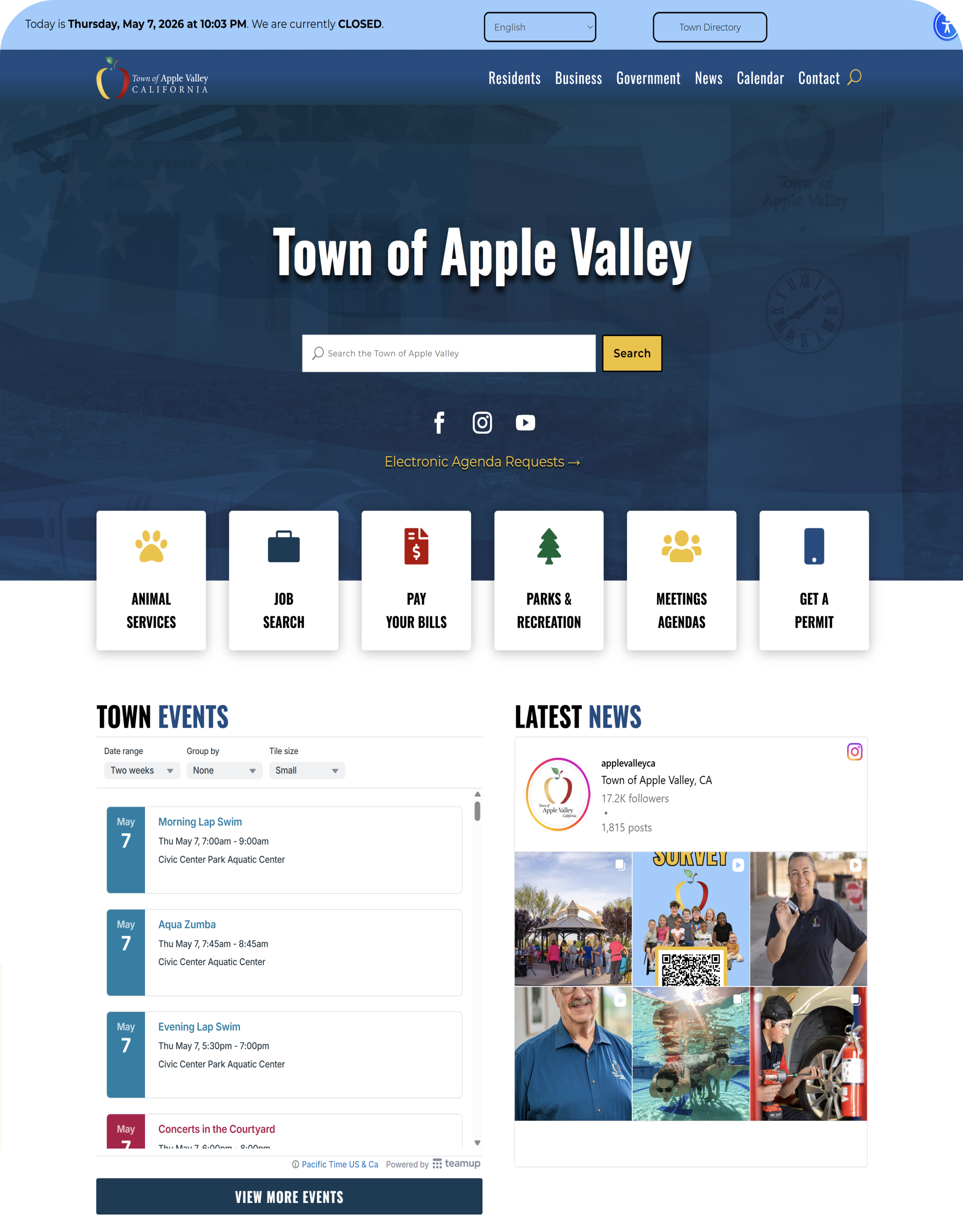
The Town’s existing website and public-facing materials had grown over time, with different departments, programs, and services needing their own pages, graphics, documents, and updates. My work focused on creating a more consistent visual direction that could support those different needs while still feeling connected to the Town of Apple Valley as a whole.
For the website, that meant developing cleaner page layouts, reusable interface patterns, and a more modern visual system for public information. For print and campaign materials, it meant creating designs that could work across magazines, calendars, bus ads, flyers, social media graphics, presentations, and resident-facing communications.
Website User Interface System
Designed public-facing website layouts, page templates, and reusable interface patterns to help organize Town information across departments and services.
Publications & Editorial Design
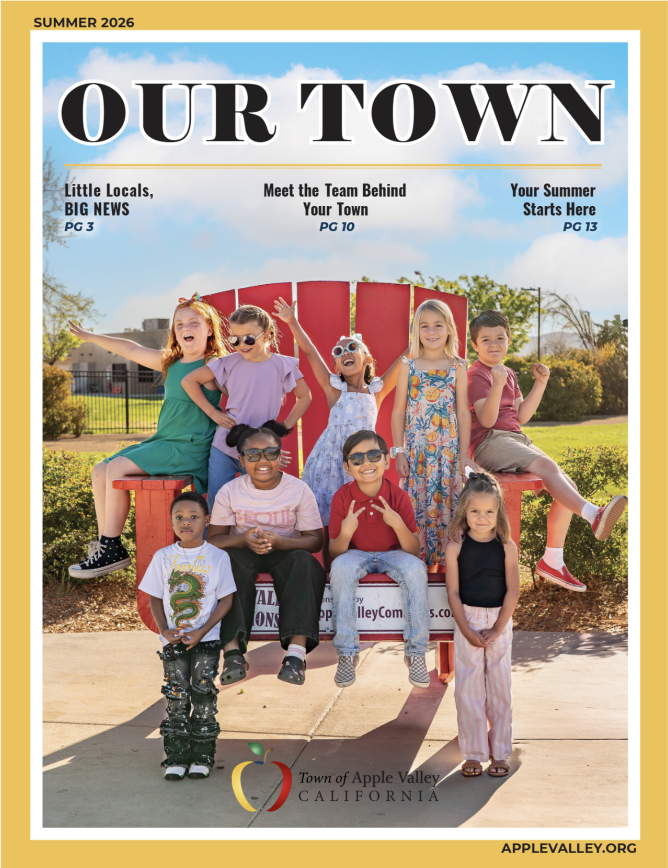
Designed large-format Town publications including community magazines, calendars, and resident-facing print materials.
Campaigns, Ads & Event Graphics
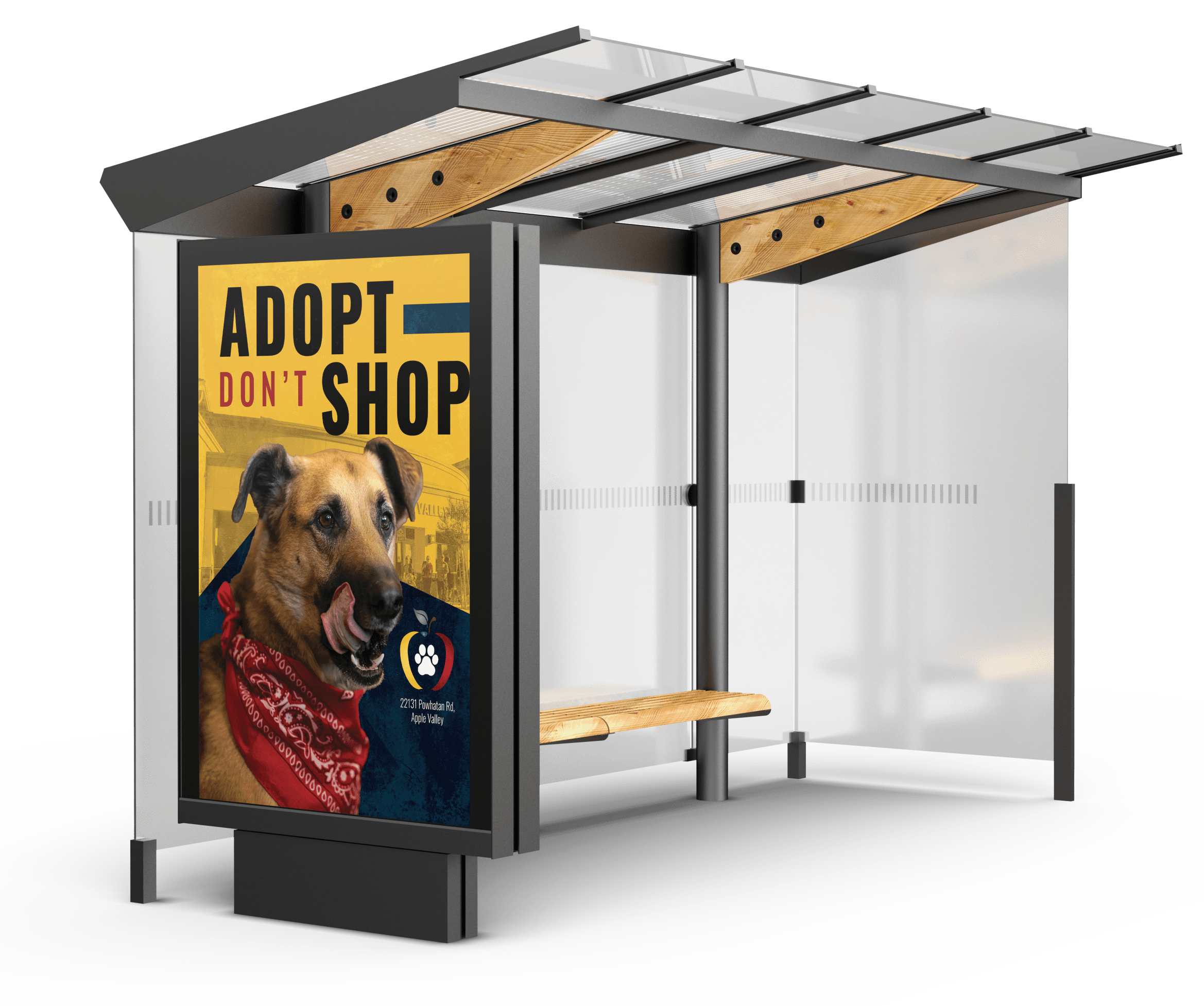
Created campaign graphics for Town events and programs across flyers, social media, web banners, signage, and bus advertising.
Brand & Character Systems
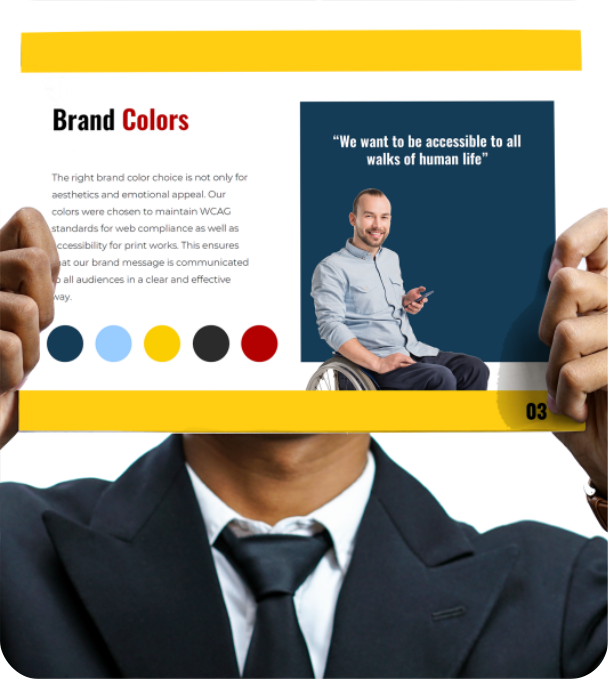
Developed visual identity work for Town initiatives, including rebrand concepts, character design, and supporting graphic systems.
Results
- Designed public-facing materials for a municipal audience of 75,000+ residents.
- Created visual communication materials across website layouts, publications, campaigns, presentations, signage, and resident-facing print pieces.
- Designed and supported large-scale publications, including community magazines and calendars distributed to Apple Valley residents.
- Created campaign and event graphics across flyers, social media, web graphics, bus ads, and public signage.
- Supported accessible communication through website user interface work, document design, presentation materials, and content structure.
(Note: The website is live and in ongoing development as new content and improvements are added.)